🔥 Key Takeaways
-
After this trip to Argentina, I’ve realized that to truly save money, I must force myself to become a meticulous planner for future long-distance travels;
-
Be more direct when speaking; foreigners often don’t understand subtext or “hidden meanings”;
-
The glacier is absolutely worth seeing; the actual sight is incredibly breathtaking and worth every penny;
-
The local roasted lamb is excellent; it’s a paradise for carnivores;
-
When flying in South America, always leave plenty of buffer time;
-
Argentina maintains a high level of focus and widespread commemoration regarding the Malvinas Islands (known as the Falkland Islands in the UK).
💨 “Betrayal” After the Initial Plan Shattered
Originally, several friends and I had been saying for a long time that we wanted to travel through Argentina together. But in a group full of “P-type” personalities (MBTI), only one person actually did any planning—a polite, hardworking Singaporean friend who carefully listened to everyone’s ideas. Due to various factors, we eventually scrapped our original plan for a self-drive tour through El Calafate and El Chaltén, deciding instead to visit Iguazu Falls first and then head to Ushuaia together.
However, looking back at that decision, the conclusion to skip El Calafate seems absurd. Ironically, most of us ended up succumbing to “FOMO” (Fear Of Missing Out) and went to see the glaciers anyway, despite our schedules being last-minute and convoluted.
I was the first one to “betray” the group, for which I was mercilessly mocked by my friends. Before the trip, I had argued in our group chat that El Calafate and the glacier tours were too expensive, suggesting that if time was limited, we should prioritize Bariloche and Ushuaia instead. It’s true that flights from BA to El Calafate and the tour prices are high, but the glacier really is worth it. Perito Moreno is special because it’s one of the few “living” glaciers still advancing. Plus, after being “sold” on it by a video from the creator Video Hurricane, I was willing to let my wallet take the hit.
Anyway, the group had originally agreed to give up on El Calafate, and I was undoubtedly the one who took the “fall” for that decision. The final consensus was: aside from Iguazu and Ushuaia, all other stops would be arranged individually.
🧊 An Impulse Move: The Call of the Glacier
Well, humans are followers. During our days in Buenos Aires, two of my friends (the “R-sisters”) left for four days to visit El Calafate. When they returned, seeing their photos and hearing their descriptions of the scenery made my heart itch. Combined with the fact that life in BA felt a bit monotonous, my desire for the outdoors grew stronger. As it turns out, I wasn’t the only one suffering from FOMO; “Teacher G,” a middle-aged gentleman in our group, had it even worse than I did. So, one night:
G: “Wanna go?”
Me: “Go where?”
G: “El Calafate. The glaciers. If we miss this chance, who knows when the next one will be? I heard it’s mind-blowing. We have to go!”
Me: “But it’s so expensive T_T”
G: “Hey, we’re already here! Wouldn’t it be a shame? The scenery is definitely worth it. Time is tight, buy the tickets now and we can still make it back in time.”
…
After a few rounds of this, I completely abandoned my stance and bought the tickets immediately (the price of being a “Special Forces” traveler—last-minute tickets are indeed pricey). For the next three days, the round-trip flight cost $580. I would spend one afternoon, one morning, and one full day in El Calafate—roughly 48 hours. Once I calmed down, my foreign friend teased and scolded me: “You said you weren’t going, and now you are? You let G give you FOMO 😓.” I was speechless—my friend’s Chinese isn’t great, so he doesn’t catch the nuances; from now on, I need to be direct with “yes” or “no.”
⛰️ In El Calafate
We flew with Aerolineas Argentinas, but it was delayed, so we arrived an hour and a half late—checking into our hotel around 4:30 PM.
A word of advice: when flying in South America, leave as much buffer time as possible and keep a close eye on flight status. I have to vent about South American airlines again—delays are the norm, and everyone claps when the plane finally lands. Aerolineas Argentinas is only “good” depending on who you compare them to. Even though we didn’t have checked luggage (just one backpack each), we faced massive lines for check-in at AEP airport because their website crashed and the self-service kiosks weren’t working. The return trip was equally frustrating; El Calafate airport had no self-service machines and didn’t support online check-in, so we were forced to wait in a long queue.
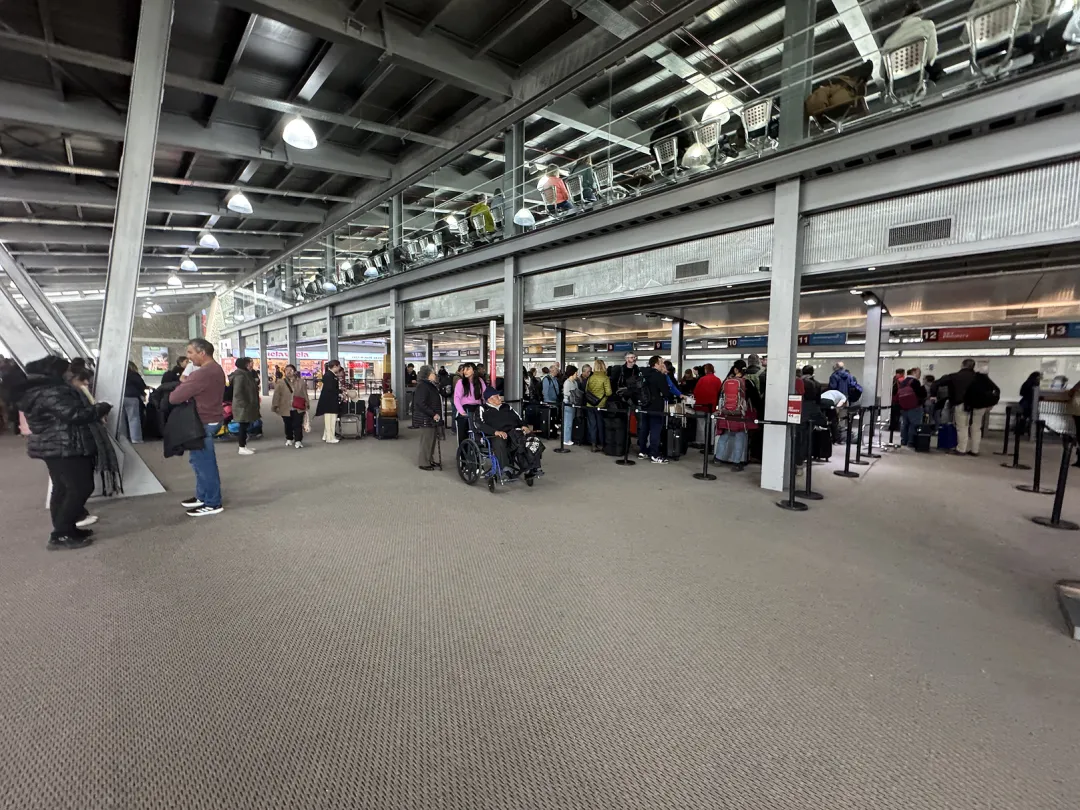 Photo: The check-in line from El Calafate back to BA
El Calafate is great for driving, and there are rental counters at the airport, but since neither of us had processed our licenses, we skipped it. We took a shuttle bus from the airport to the hotel, which cost 12,000 Pesos one way. We were a bit slow; we should have bought the round-trip bus ticket since we already had our return flight booked. A round-trip ticket is cheaper—20,000 Pesos—but you can only pay in cash 💰.
Don’t even think about getting an Uber; it’s mostly taxis. I heard there are only four Uber drivers in the whole town 😂. Since we were late in booking our return shuttle, it was fully booked, and we were forced to take a taxi. The hotel staff gave me a taxi driver’s contact, and he quoted 33,000 Pesos to the airport. Later, I asked the “R-sisters,” and they only paid 30,000 😑.
🪄 Summary: If you are alone, book the round-trip bus at the airport 🚌; if there are 2 or more people, take a taxi 🚕.
The shuttle is a van with room for luggage, has heating, and is quite comfortable. While waiting, I met two Slovakian guys who were also on a “Special Forces” trip from BA. Seeing them wearing only shorts, I couldn’t help but ask if they were cold. Turns out, they were! 🤣 Interestingly, we chatted about the tight housing market in BA over the weekend. One guy told me he had booked his BA accommodation a year in advance just to see a concert, so his price was very low. I truly admired that level of planning.
El Calafate in mid-November is still very cold, especially with the high winds. A windproof outer layer and thermal inner layers are essential. It was cloudy the day we arrived. G was ambitious and wanted to book a tour immediately, but the reality of howling winds and rain made that impossible. We dropped our stuff at the hotel and headed out to find food and a tour.
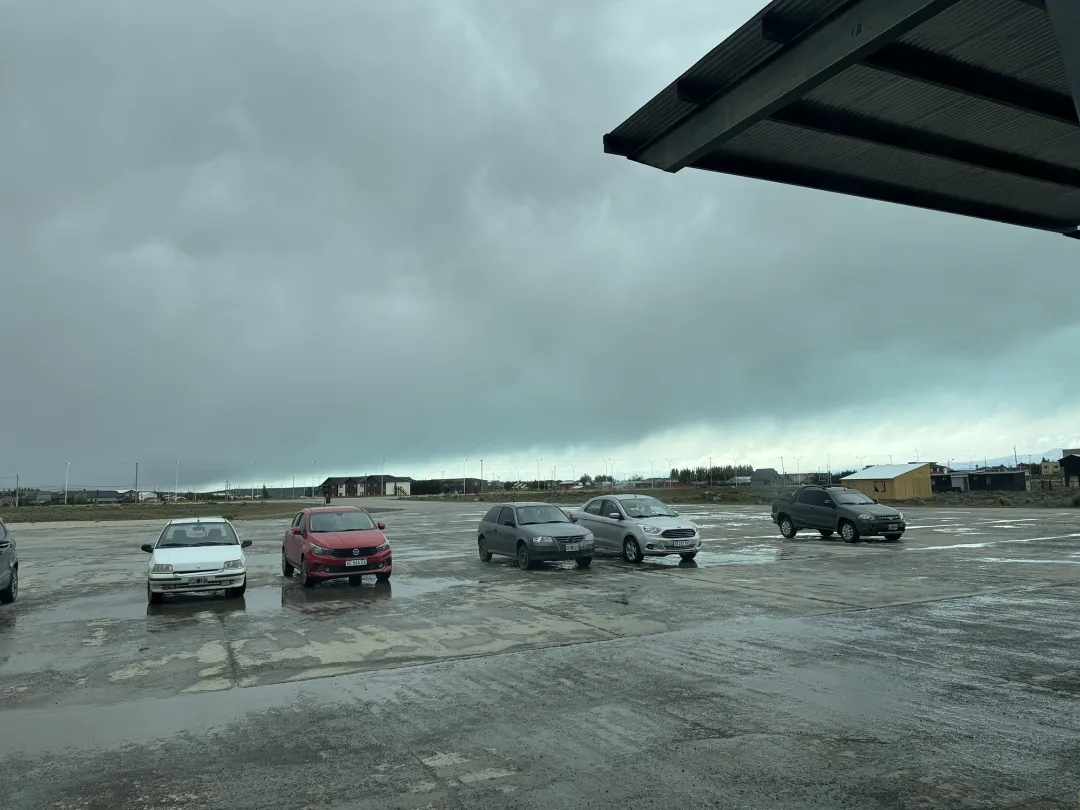 Photo: Just got on the bus; dark clouds over the town, a sense of vastness and desolation
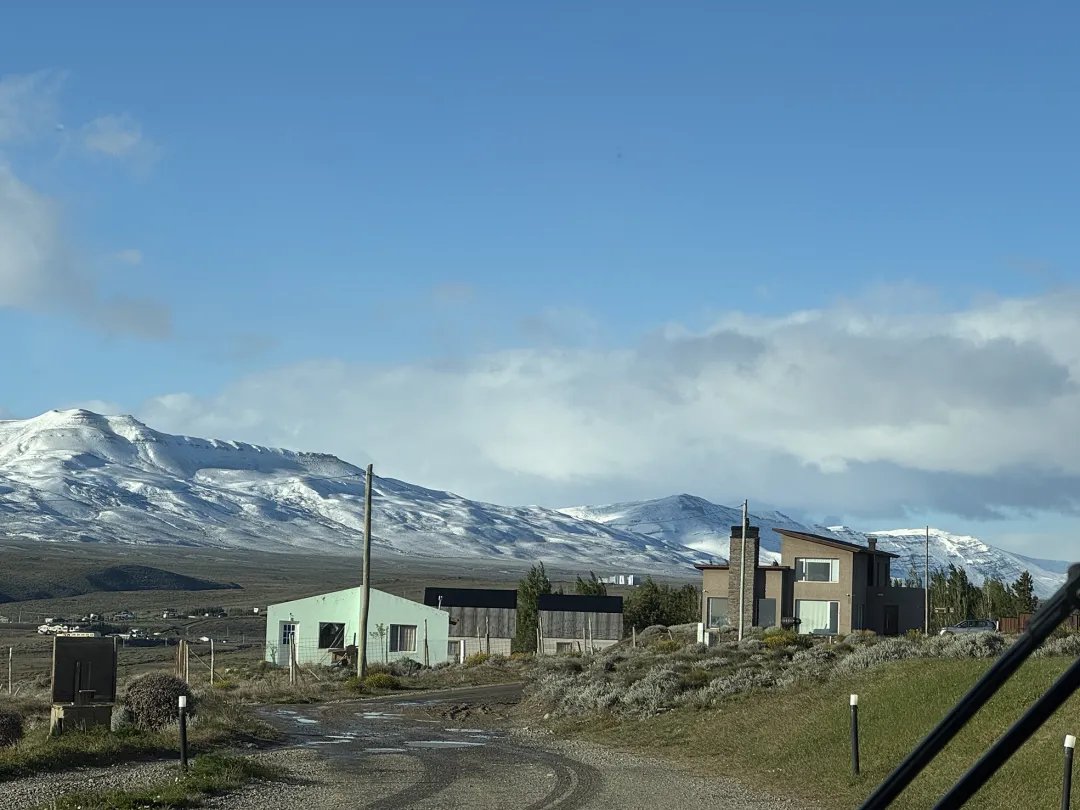
Photo: On the bus, heading to the hotel
Maybe because mid-November isn’t peak season, I found the hotel prices quite reasonable. I booked on Agoda, about a 7-minute walk from the town’s main street. I recommend staying near the main street for easier access to food. The town center is small enough that most places are convenient. The “R-sisters” stayed at a five-star hotel but felt it wasn’t really necessary. It makes sense—just like when I visited the Maldives, you spend most of your time outside, so as long as the hotel is livable, it’s fine.
One thing: if you’re taking the airport shuttle, I don’t recommend an Airbnb. Stick to hotels. Airbnbs can be tricky for shuttle pickups, whereas every shuttle driver knows the local hotels by name.
The hotel turned out to be quite nice, costing about 350 RMB per night. G and I each had a family-sized room with full facilities. The only issues were the weak Wi-Fi and the dim lighting—the latter seems to be a common theme in South America. Even in our BA apartments, the lights were mostly dim yellow—great for sleeping, but terrible for working.
Because of the glaciers and its location in Patagonia, El Calafate is a dedicated tourist town, so the industry is very well-developed. The town center is packed with travel agencies offering glacier tours. Prices vary slightly depending on the package, but they are generally consistent with market rates, with some agencies offering small discounts.
In the end, we booked with the agency the “R-sisters” recommended because their office looked more professional, and we thought their boats might be more luxurious. We booked a boat tour plus a basic walking tour on the shore. With the agency discount, it came to about 265,000 Pesos per person.
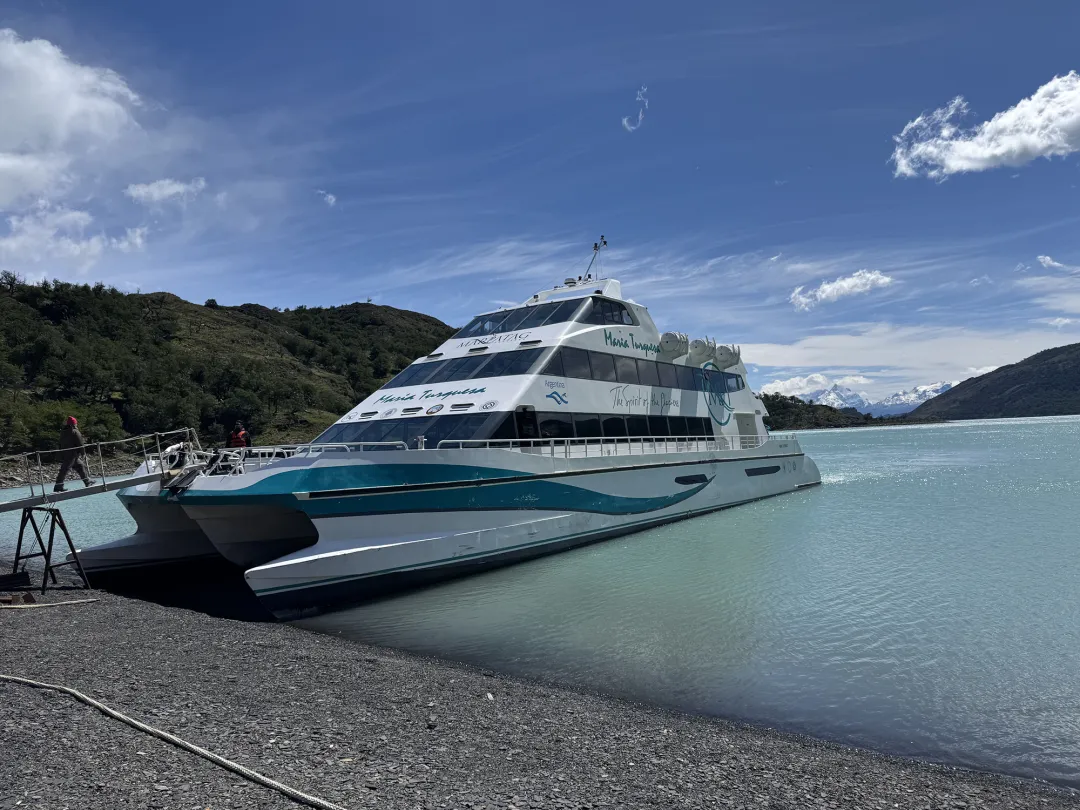 Photo: The boat we took
Side note: while booking, I learned that the name “El Calafate” comes from the Calafate bush. It’s a hardy, thorny shrub (Berberis buxifolia) with yellow flowers and deep blue berries often used for jam.
The guy at the agency gave us a drink made from these berries; it tasted like a sweet mix of honey and jam. He told us: “Whoever eats the Calafate berry will inevitably return here.” While it sounds more like a beautiful legend about the land’s charm than a strict prophecy, I do find this land incredibly captivating. I’ll likely go back if I get the chance.
G and I were lucky. Although it was rainy the afternoon we arrived, we paid our money and went to rest with heavy hearts. The next day, however, was perfectly clear and sunny. I felt like I had used up all my good luck for November right then! It’s an hour’s drive from the town to the pier, but the scenery is incredible. The richness of the Patagonian dry steppe ecosystem looks dazzling under the bright sun.
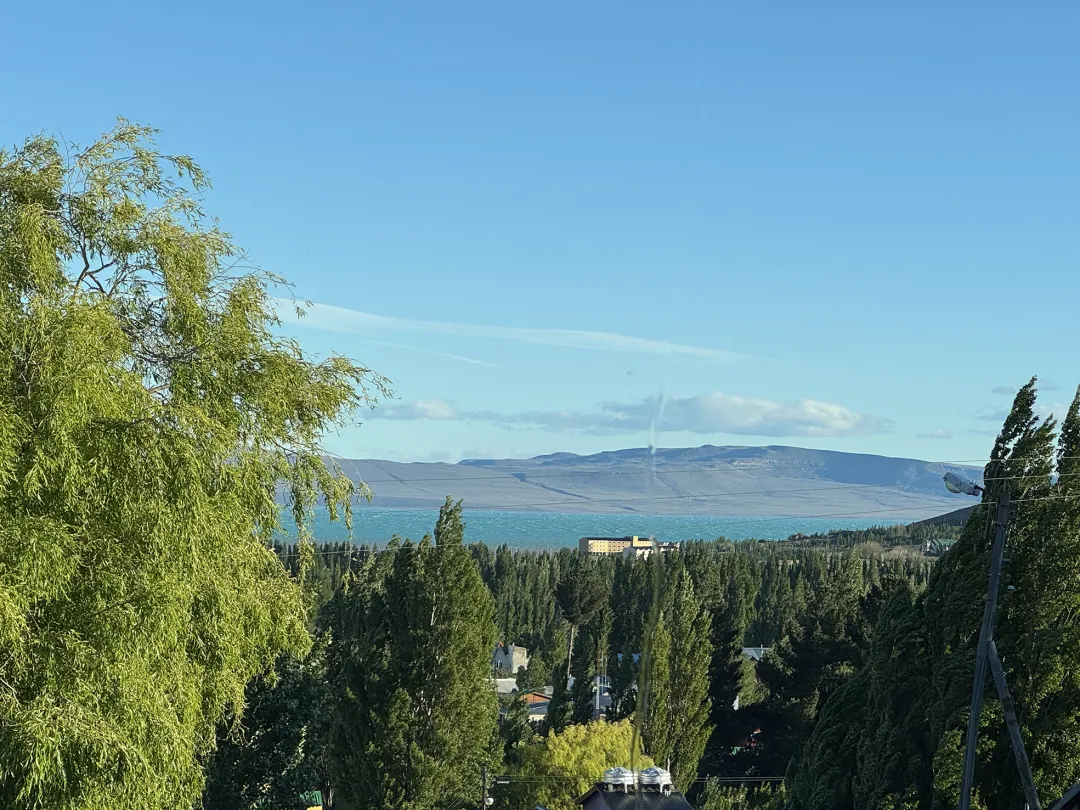 Photo: The distant lake looks blue due to the sunlight
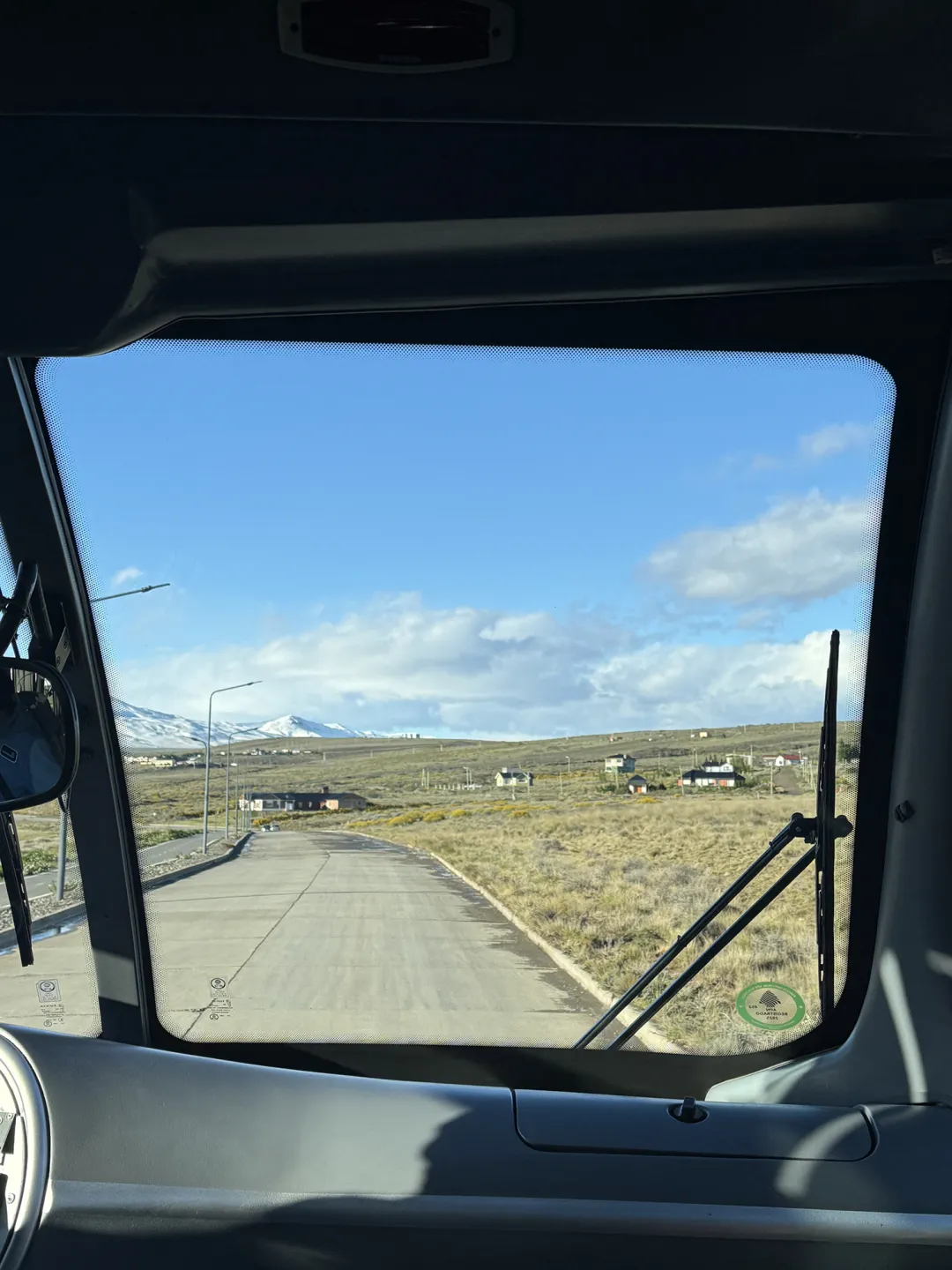 Photo: From the bus window—the wind blows through the grass (but no cows or sheep in sight)
Only people from the south understand the excitement of seeing snow, let alone a glacier. The last time my threshold for natural scenery was raised was at Jade Dragon Snow Mountain, but this time, the bar was raised even higher. It was funny: at first, everyone was ecstatic. Almost the entire boat was on the deck, snapping photos of even the smallest, scattered icebergs. By the return trip, there were only a few people left on deck; the scattered ice could no longer hold anyone’s interest. Human nature—I was no different.
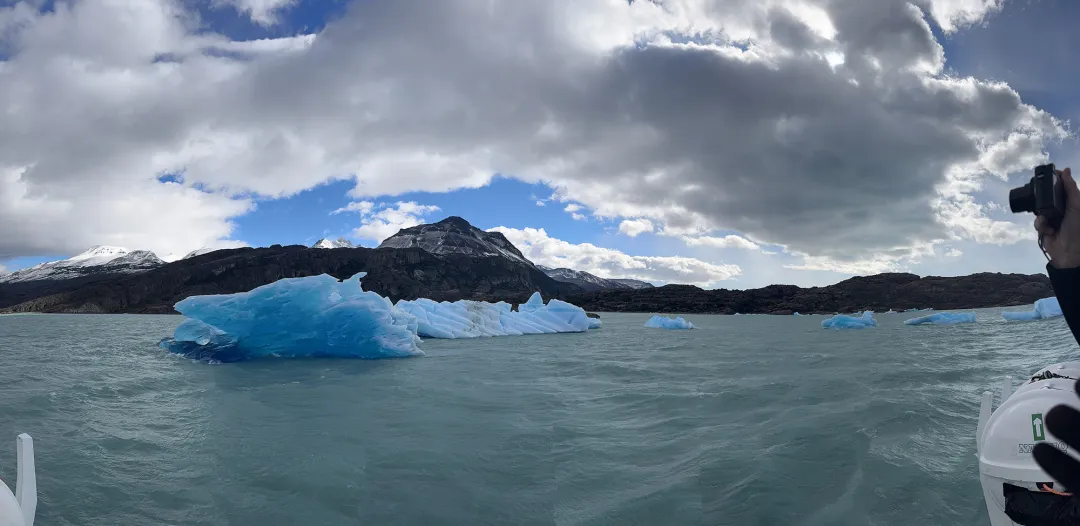 Photo: Some scattered ice appearing on the lake at first, though they are likely deep underwater
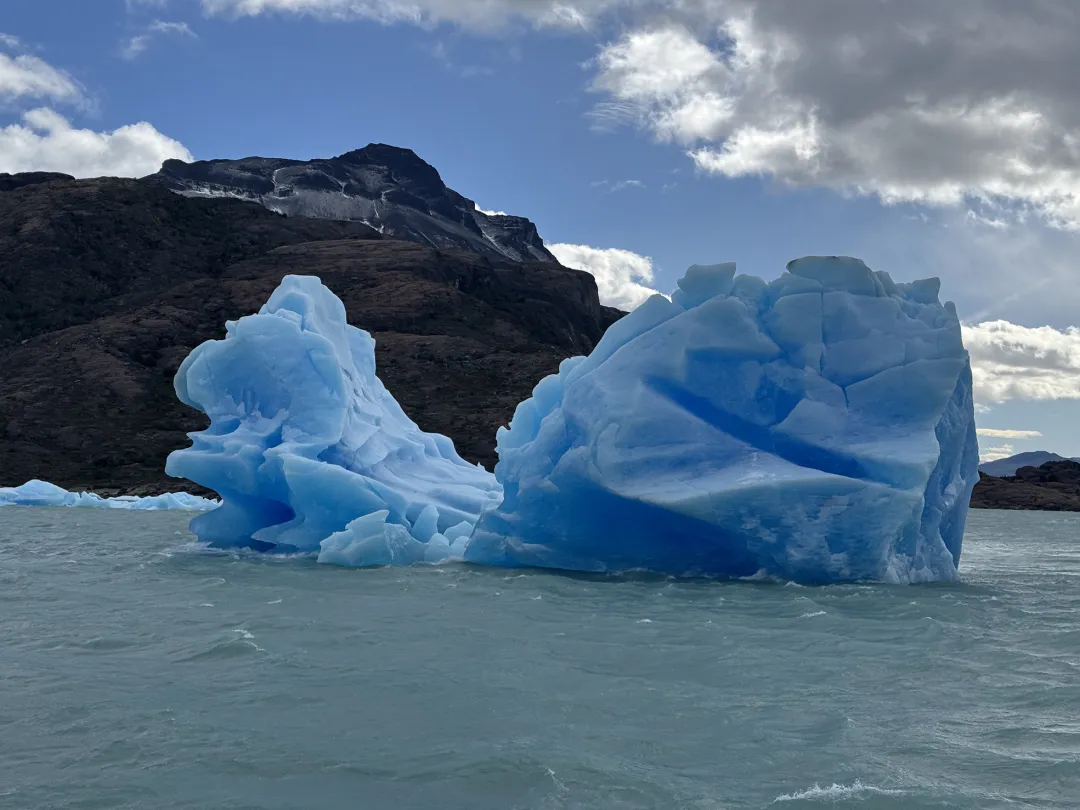 Photo: Encountering larger ice chunks; my megalophobia flared up as we got closer
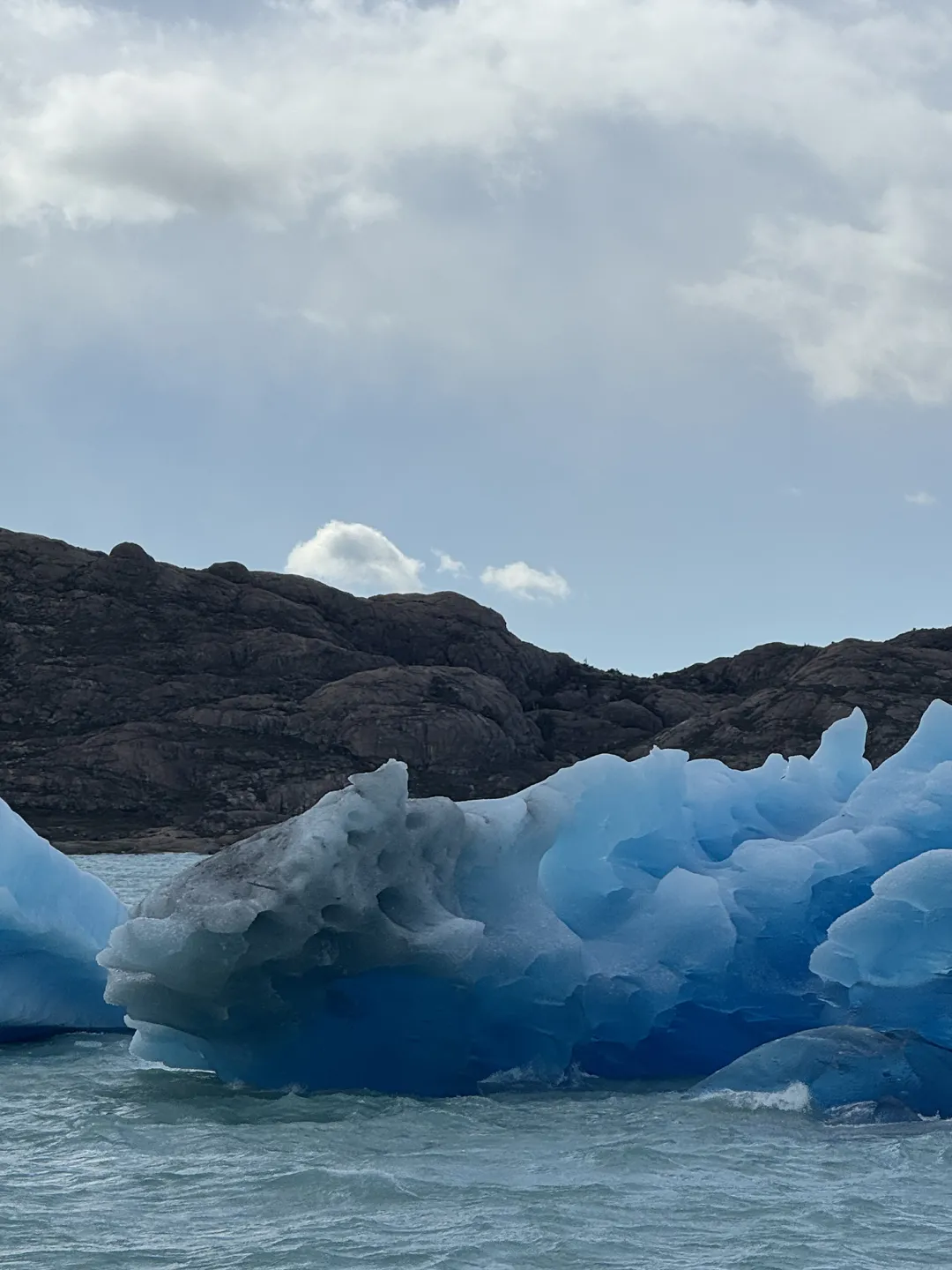 Photo: Not sure why the top left is black; perhaps silt was trapped when it formed?
Our tour stopped at Puesto Las Vacas, where the trees are massive with gnarled branches. Even so, many were snapped by lightning or uprooted, making me shudder at the thought of the past weather here. Standing among those trees was pure awe.
The place is called Puesto Las Vacas, which means “Cow Post.” As soon as we stepped onto the grass, we found cow dung everywhere. The guide later told us that the cows were originally brought in from outside. Their numbers weren’t high initially, but because they have no natural predators here and the grass is excellent, the population exploded.
This led to ecological damage: the cows overgraze the grass, leading to soil degradation and erosion. Due to high transportation costs and bureaucratic red tape, the cow problem remains difficult to solve, much to the frustration of the local government.
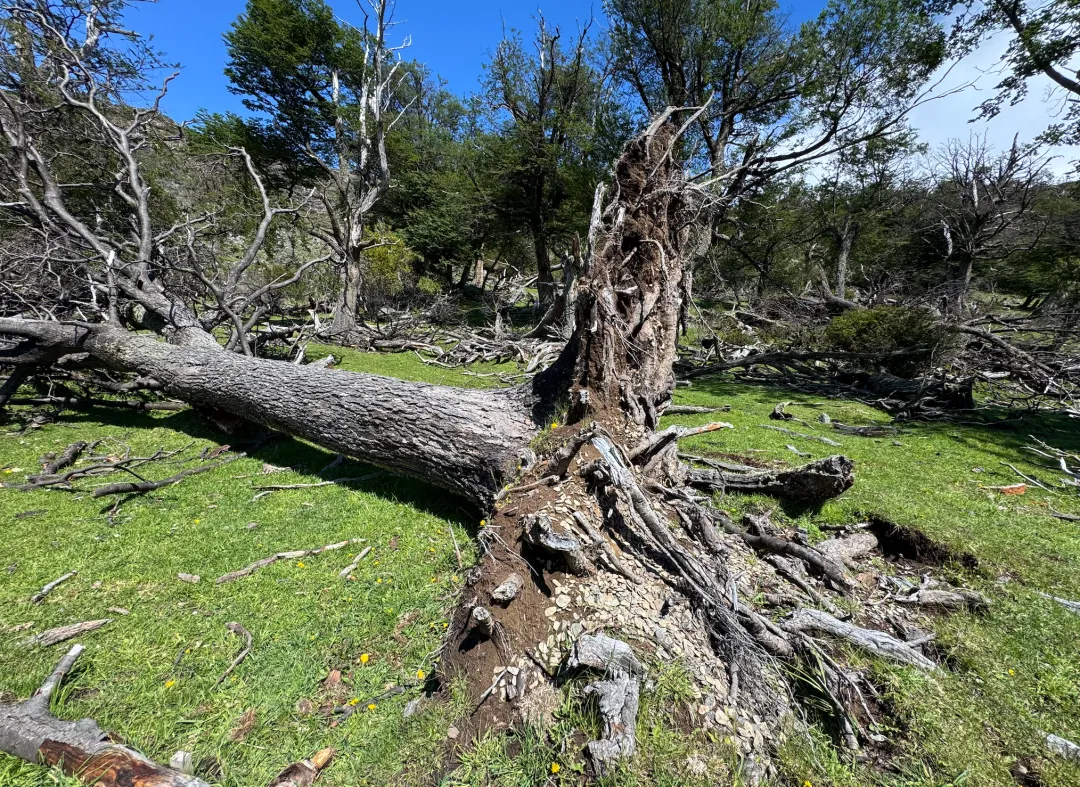 Photo: Marveling at nature’s wonders and the powerful vitality of plants
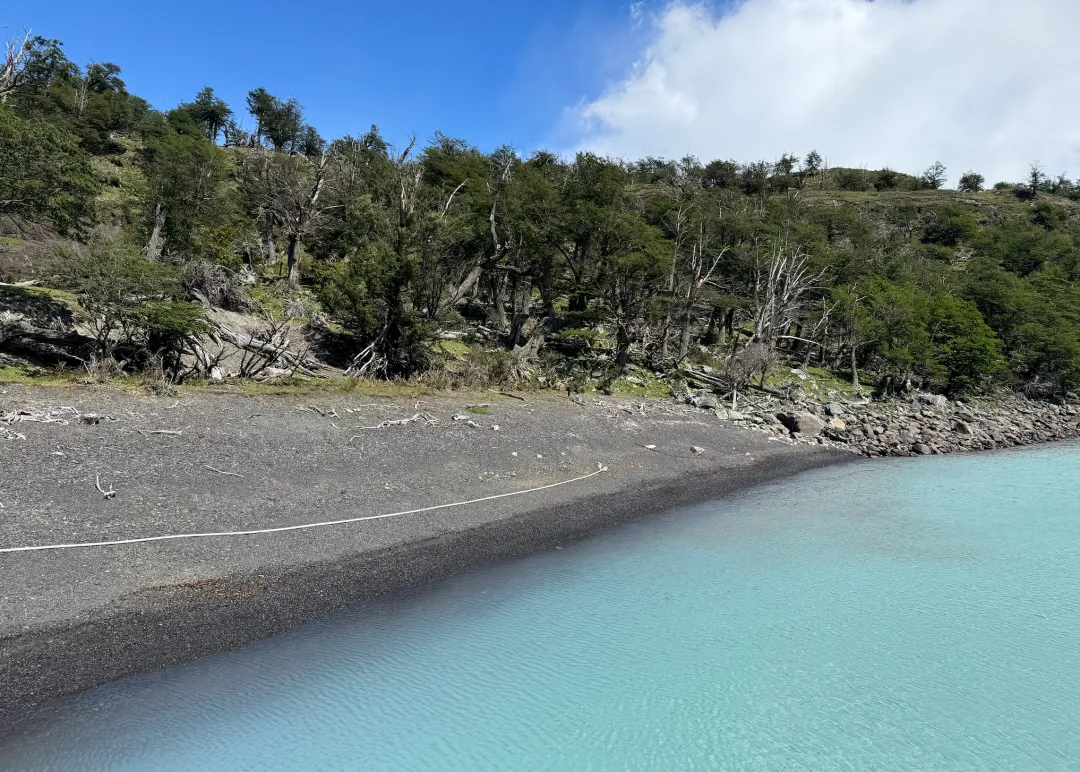 Photo: The lake’s color, formed by the high altitude, is strikingly similar to Blue Moon Valley at Jade Dragon Snow Mountain
Our tour claimed to show three glaciers, but we only got close to two: Perito Moreno and Glaciar Spegazzini.
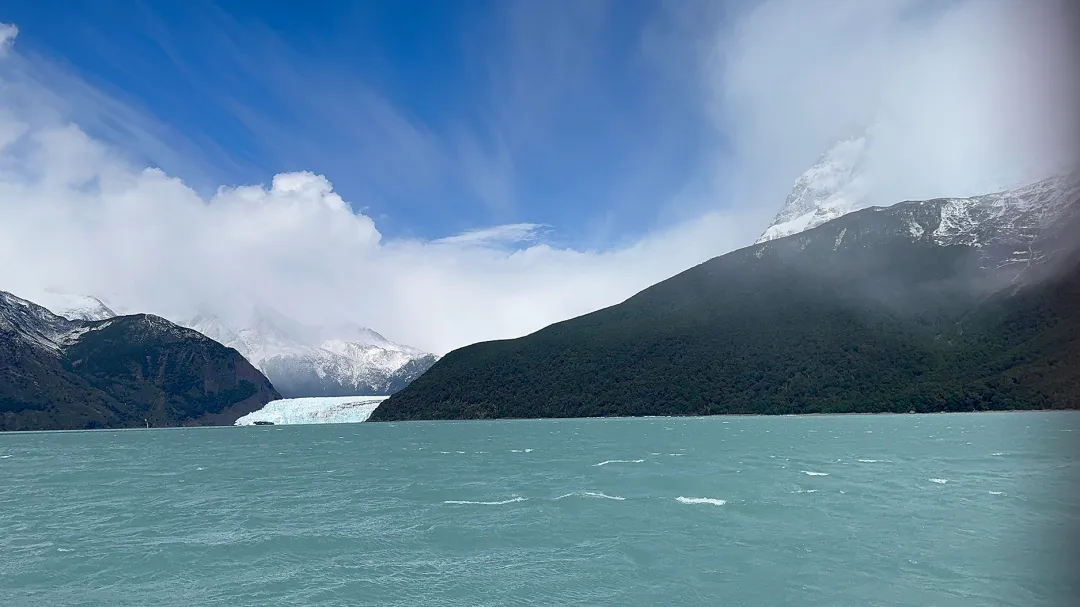 Glaciar Spegazzini in the distance. I stood at the bow here and got blasted by the wind like an idiot
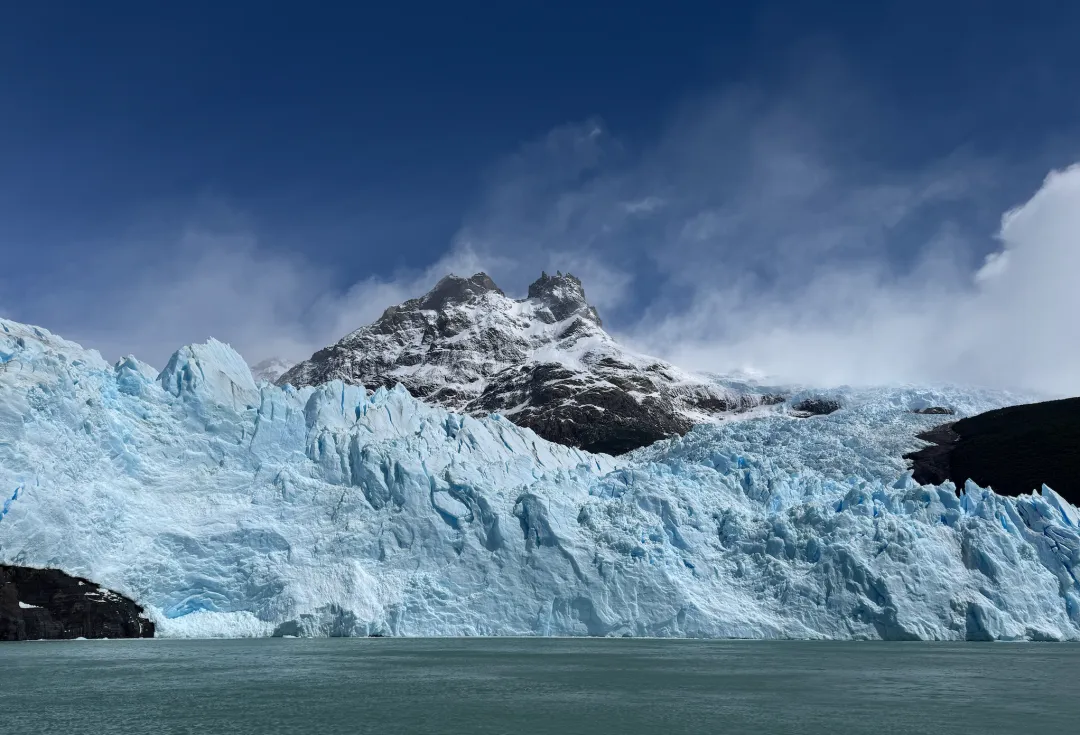 Behind it is: Cerro Peineta
A quick word on the boats—facilities vary by company. Ours had three levels: the first had a restaurant, restrooms, and seating; the second was all seating; and the third was the bridge and deck. The boat provided free Wi-Fi and the heating was strong.
The restaurant sold pastries, coffee, and alcohol at prices almost identical to those in town. Given Argentina’s current inflation, it felt “friendly” to tourists. The only issue was the limited number of restrooms and long lines. Later, on our Ushuaia boat, there were plenty of restrooms and cheap food, but no Wi-Fi.
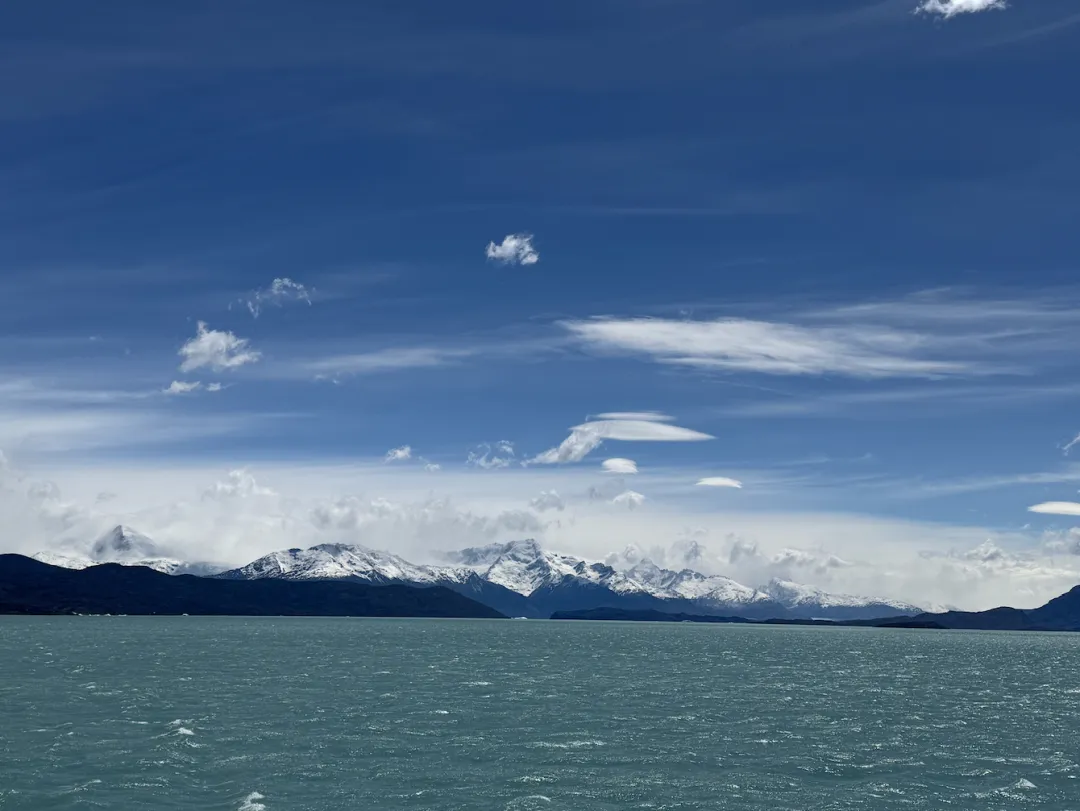 Captured from the boat—truly too beautiful!!
Oh, and the entrance fee for Los Glaciares National Park is separate and not included in the tour. We paid by card at the entrance—45,000 Pesos per person. So, including the boat tour, the glacier trip cost about 310,000 Pesos per person, which is roughly ¥1550. Since I might only do this once, I found the price acceptable, even though it has risen significantly compared to the past.
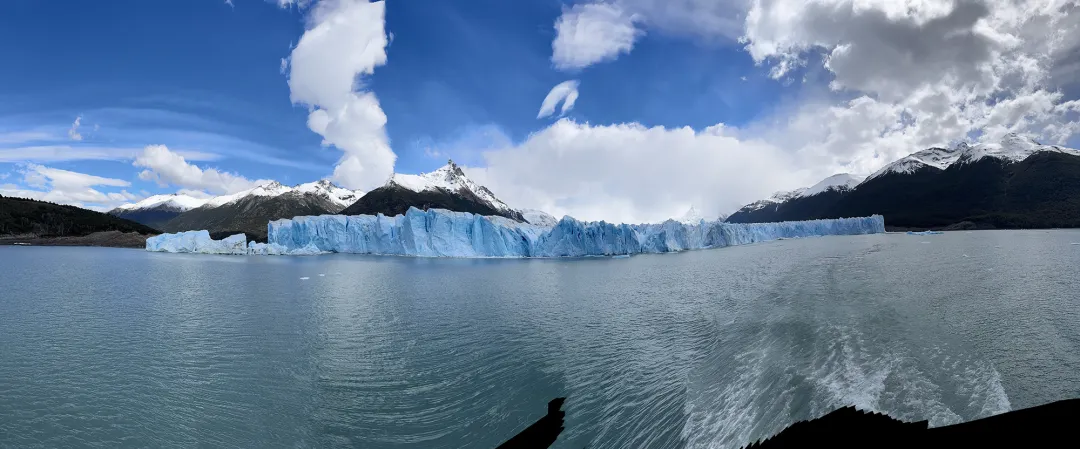 Full view of Perito Moreno—from the boat
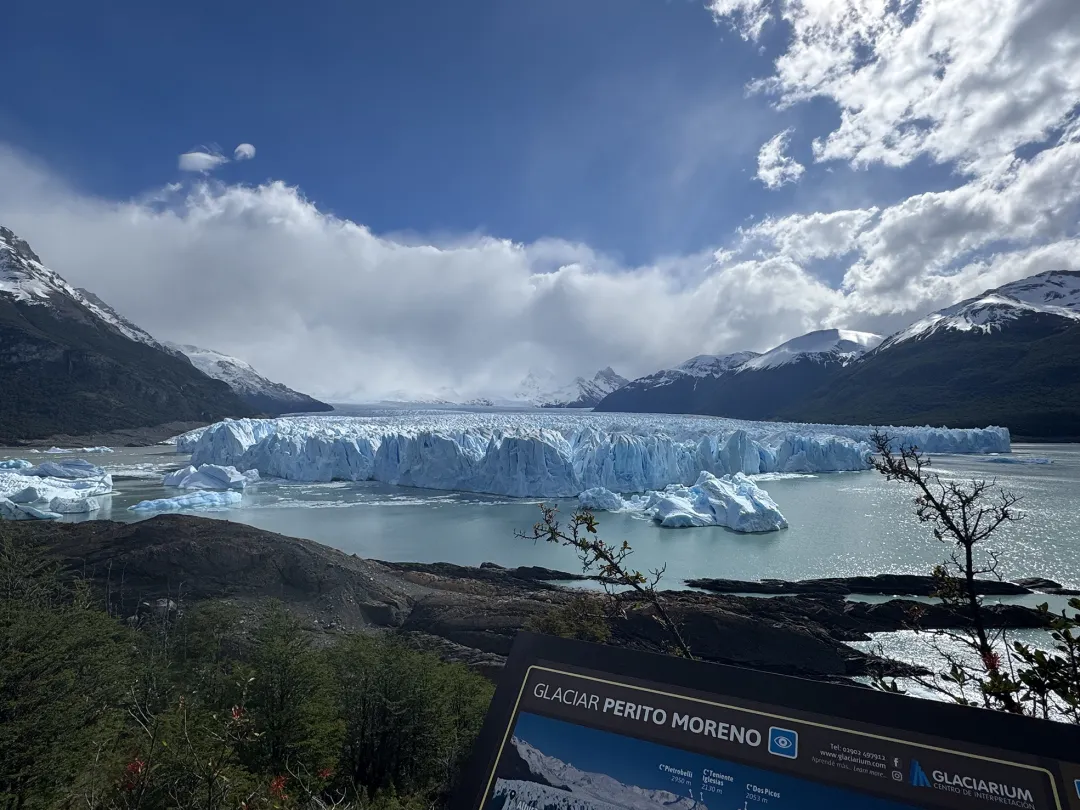 Perito Moreno—from the catwalks; you can occasionally hear the distant crack of the glacier
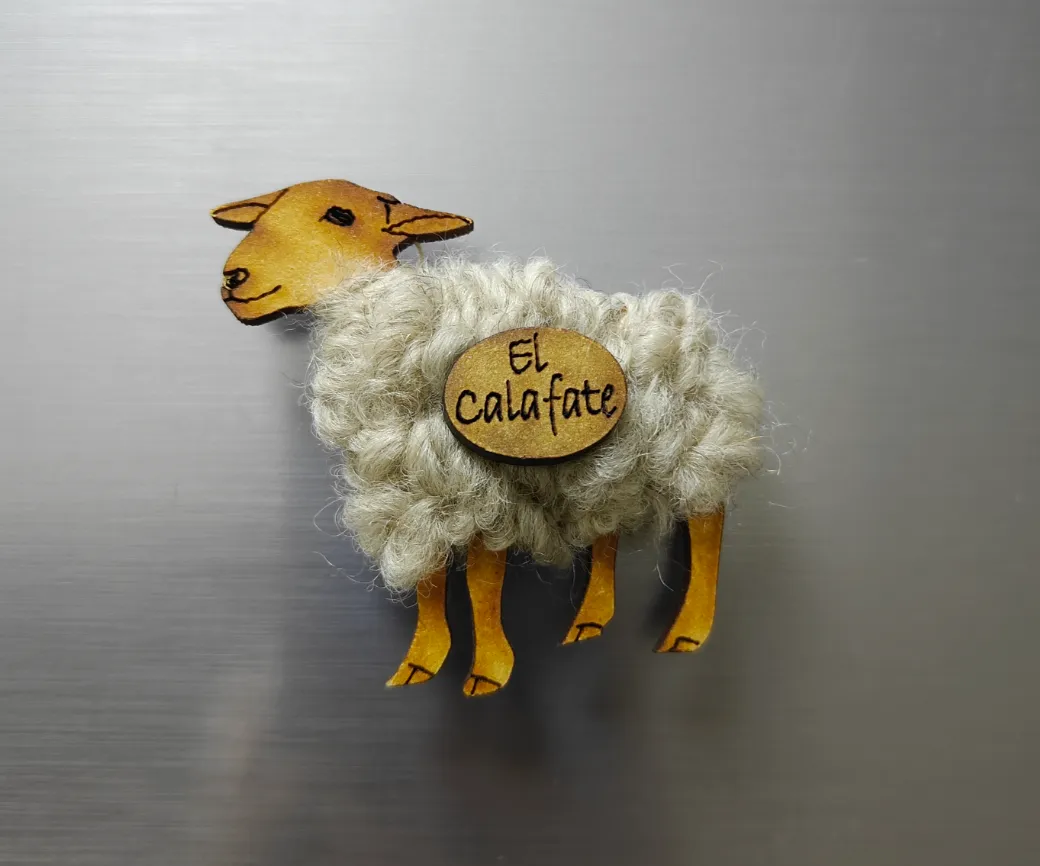
The restaurants in town are mostly near the main street, along with souvenir shops. I bought a sheep 🐑 magnet because the design and quality were nice, for 4500 Pesos.
I suggest bringing both cash and a credit card to El Calafate as a double insurance. Mercado Pago is also a good choice if you have it, but prioritize cash. Most restaurants prefer cash and some even offer a 10% discount for cash payments. Argentina is a tipping country, and restaurants in El Calafate expect it, usually around 10%.
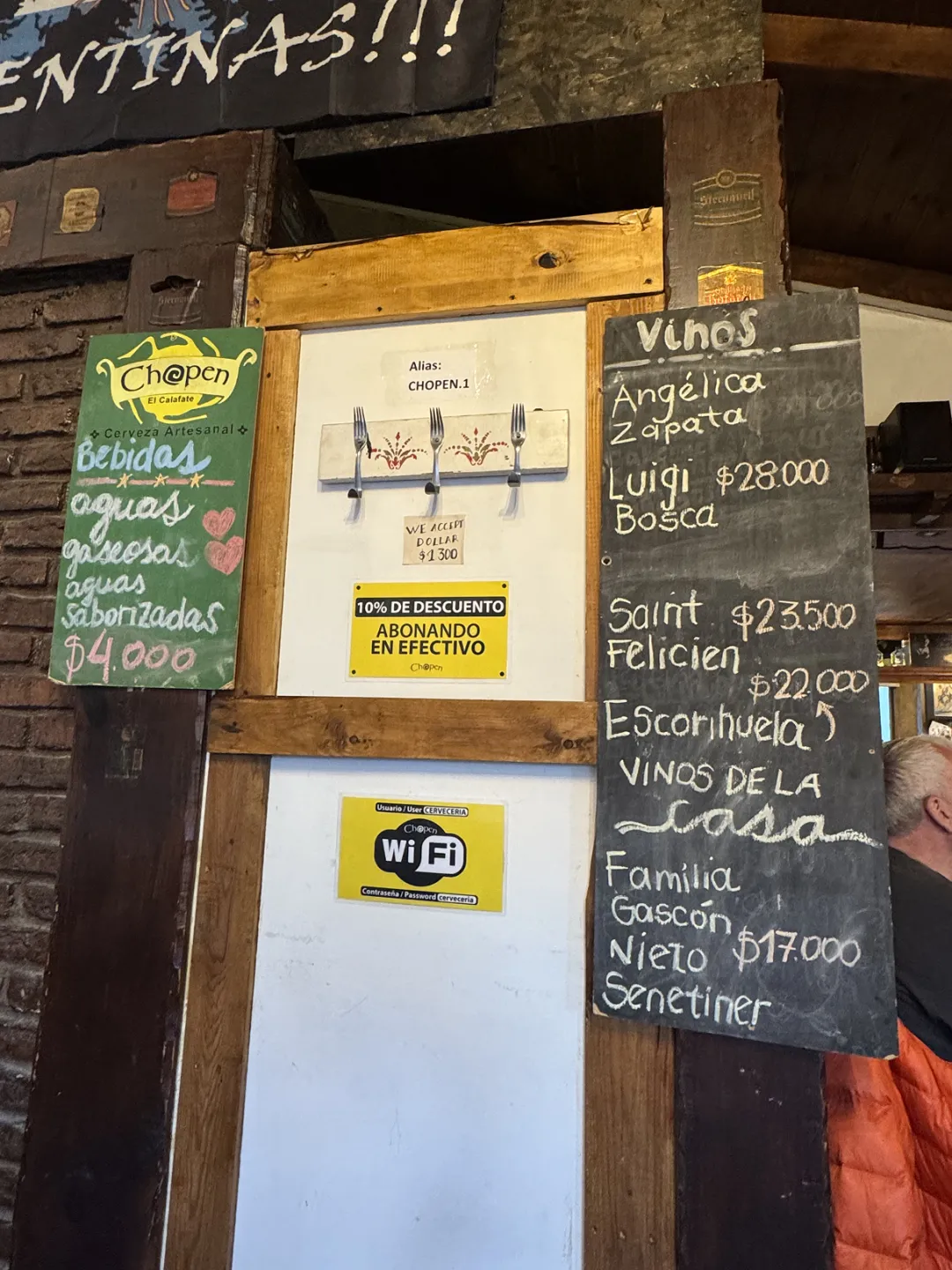 Photo: The sign in the middle says 10% off for cash payments
El Calafate has unique local food influenced by the Andes, the Patagonian terroir, and European immigrants (especially Italians and Spaniards). It focuses on highland livestock, wild ingredients, and charcoal grilling—a carnivore’s heaven.
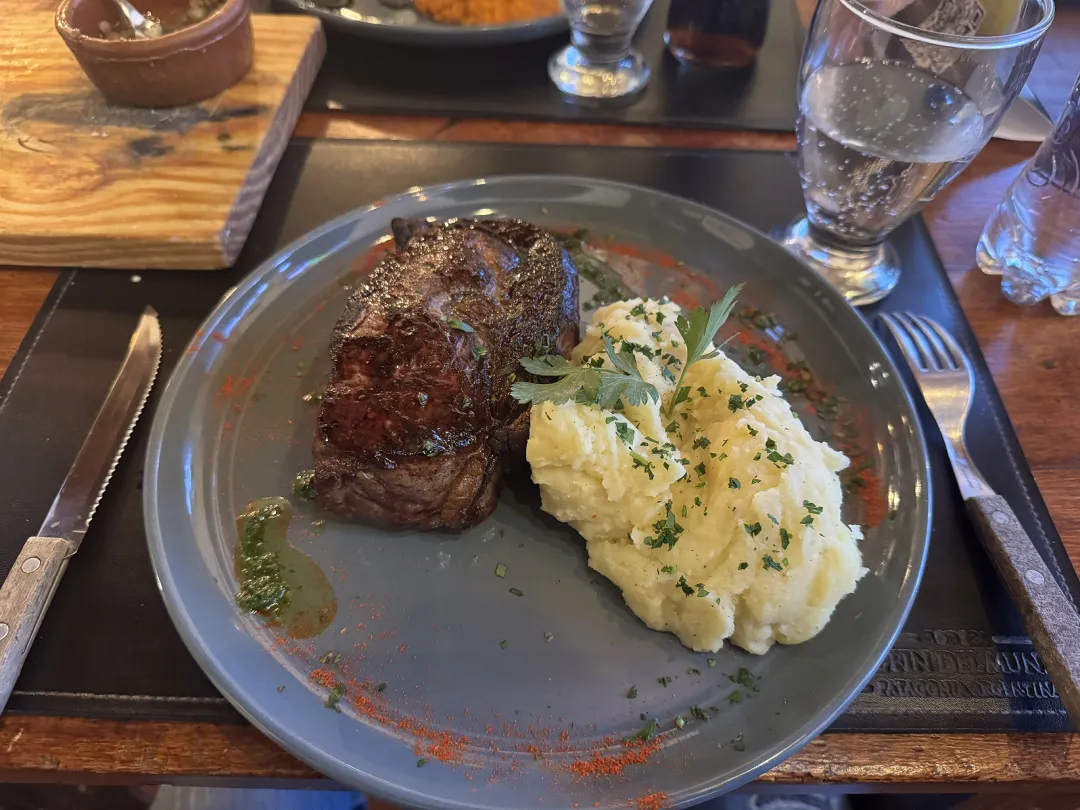 Photo: But for me, the beef is still better
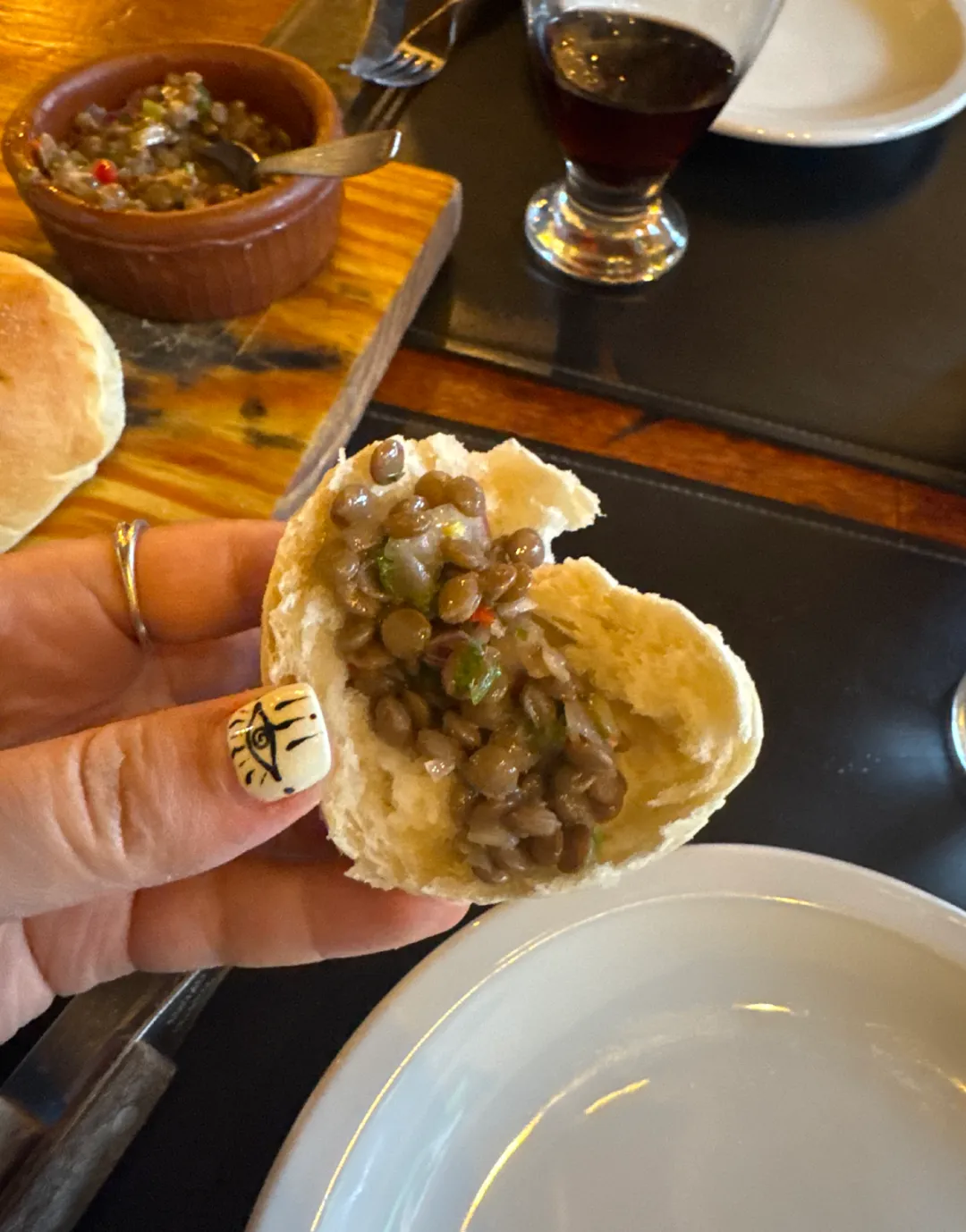 Photo: Table bread + a dip made from some kind of bean
The roasted lamb (Cordero Patagónico) is famous here. It’s actually a type of lamb I can actually eat (I’ve tried hotpot lamb, “Cangshu” lamb in Suzhou, and lamb in Turkey, but usually find the gamey smell—“shan wei”—overpowering and nauseating). Here, the gamey smell is only about 3%. I suspect I’m genetically sensitive to lamb, so even at 3%, I could only eat a little.
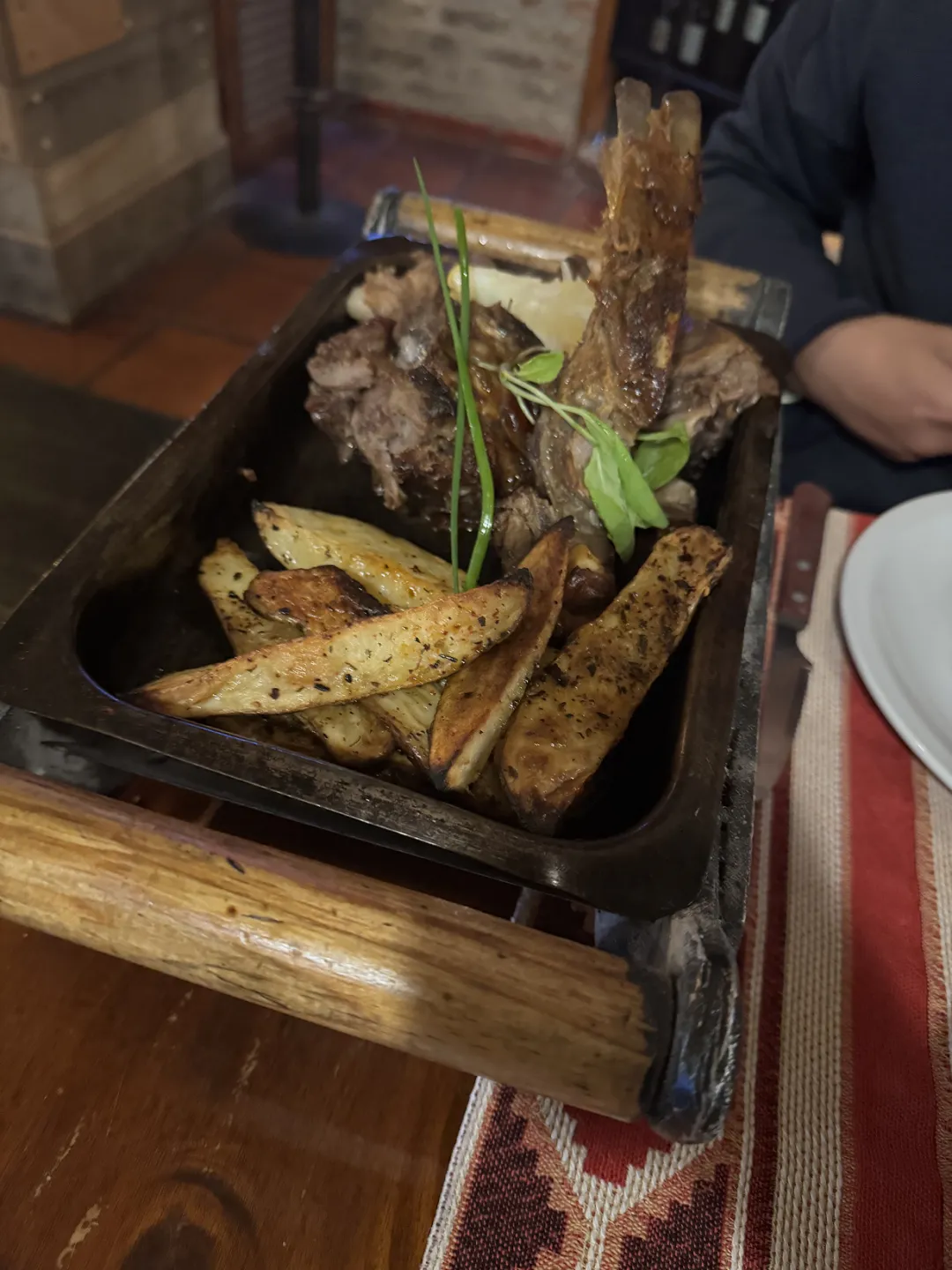 Photo: A massive portion; the tray almost spanned the entire table
Trout and salmon are also local specialties, but to be honest, I’m not a fan of the heavy cream and mashed potato preparation. It was too rich, and I couldn’t even finish the fish, regretting my choice. We also ordered Guanaco meat, a local specialty.
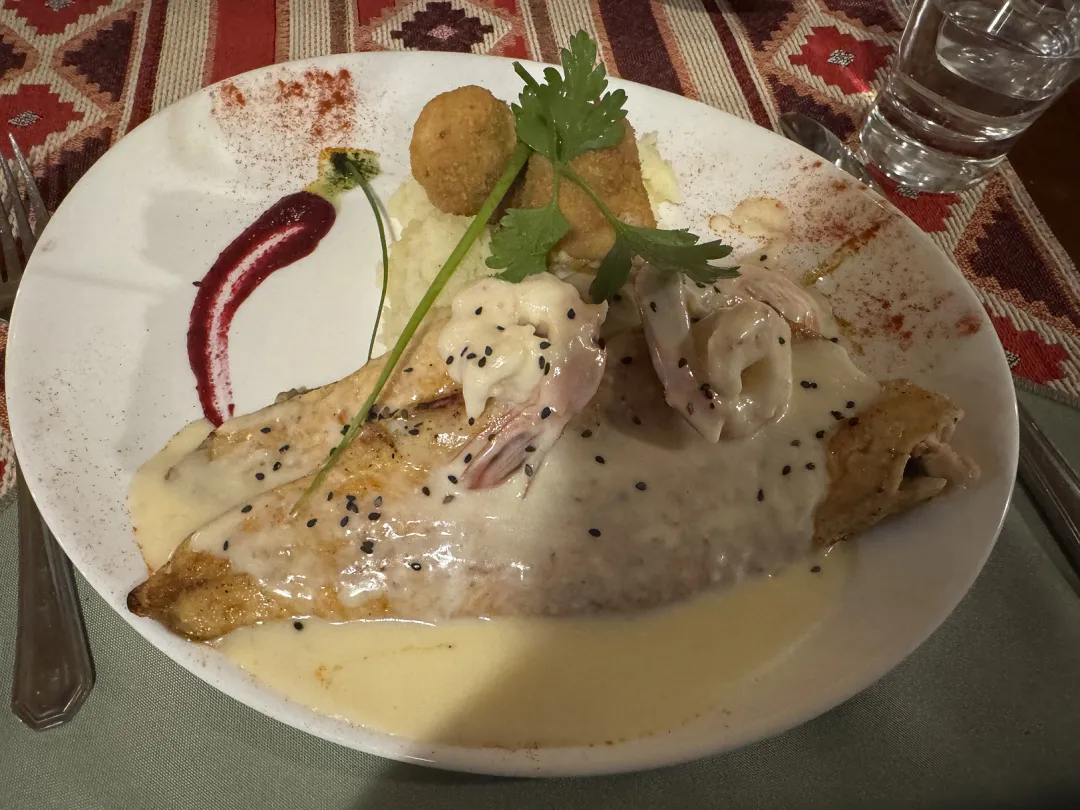 A huge plate, but so rich I couldn’t finish it
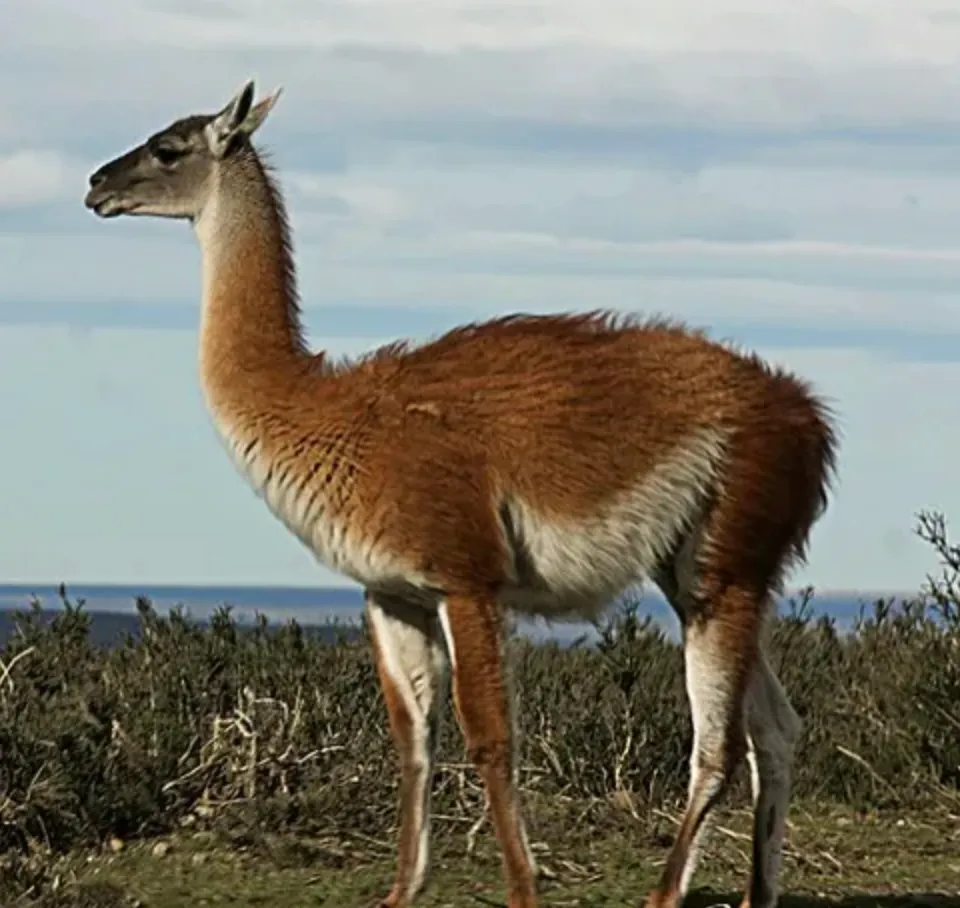 Source Wikipedia: Guanaco
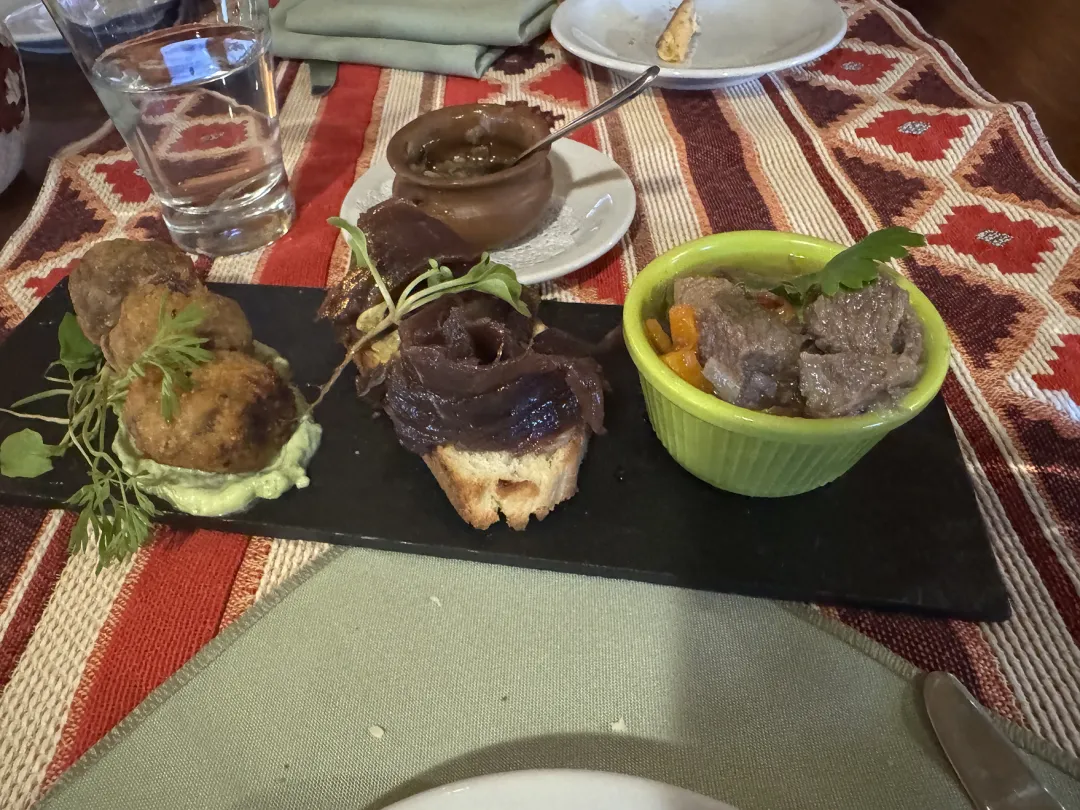 Photo: Three ways of preparing Guanaco meat (from left to right: meatballs, smoked, and pickled in vinegar)
Aside from the tours, there are some nearby parks to explore. We walked to a meadow where both G and my foreign friend (who traveled there alone later) sat to contemplate life and found some clarity.
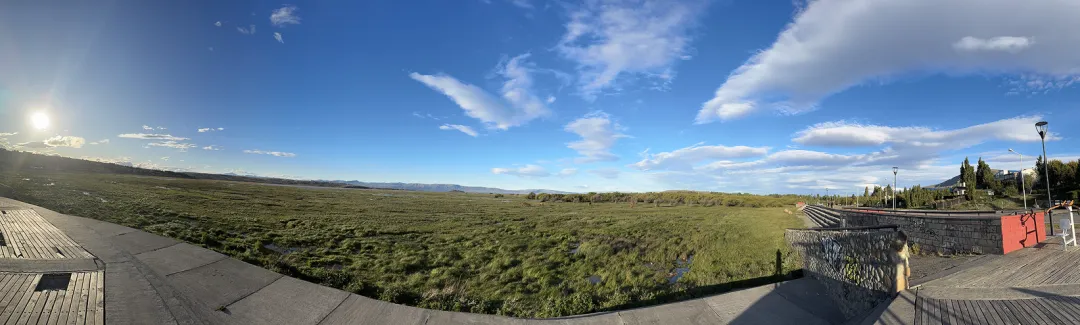 About a 1.6km walk from the town center
Walking back to the hotel from the meadow, we passed a square commemorating the Falklands War (known as the Malvinas War in Argentina). The loss of the 1982 war is a collective trauma in their national memory, and the sovereignty issue is a point of national consensus. If you’re interested, it’s worth reading up on this history.
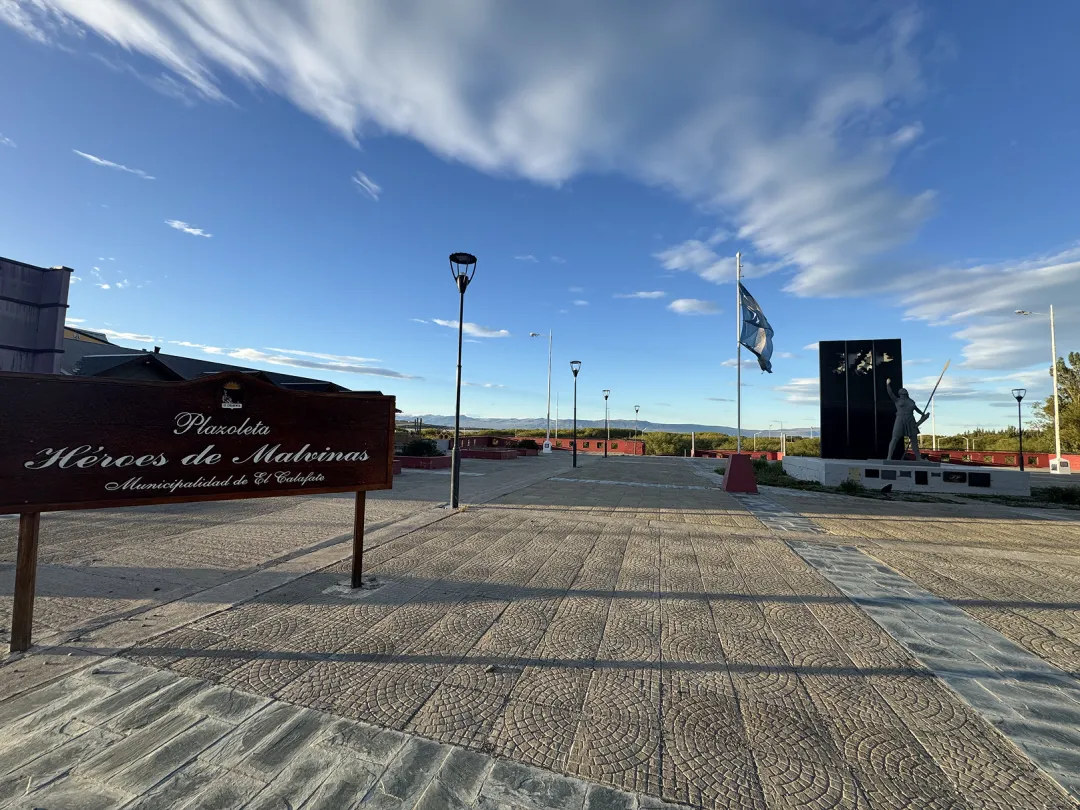 The Malvinas are “personified” here as a female warrior
#💰 Summary This “Special Forces” glacier trip cost a total of approximately: ¥7000, including round-trip flights to El Calafate, accommodation, food, tours, and airport transfers.
That’s all for this one. 👋 See you in the Ushuaia and Bariloche chapters.